
The familiar chime of a physical store’s door and the effortless click of an online “add to cart” button have long existed in separate realms of the consumer consciousness. One represented tangible, immediate discovery; the other, limitless choice and unparalleled convenience. For decades, retailers were forced to pick a side, investing heavily in either brick-and-mortar footprints or digital storefronts, often at the expense of the other. However, a seismic shift is underway, one that is erasing these boundaries and forging a new, unified future for commerce. This is the era of Phygital Retail, a transformative strategy that is not merely an emerging trend but the very foundation of a multi-trillion dollar boom reshaping the global economy.
Phygital retail is the sophisticated, seamless integration of physical and digital experiences into a single, cohesive customer journey. It moves far beyond the basic “click-and-collect” model, leveraging technology to add layers of value, personalization, and engagement to the traditional shopping trip. It’s the art of making the digital physical and the physical digital, creating an ecosystem where each channel amplifies the other. The driving force behind this multi-trillion dollar surge is a fundamental change in consumer behavior. The modern shopper is an “omnichannel native” who does not distinguish between online and offline. They research products on their smartphone while walking through a mall, check in-store inventory from their living room, and expect a returns process that is frictionless, whether they bought the item on a website or in a shop. To this consumer, the channel is irrelevant; the experience is paramount.
A. The Core Drivers Fueling the Phygital Explosion
The phygital revolution is not happening in a vacuum. It is propelled by a powerful convergence of technological advancement and evolved consumer expectations.
A. The Always-Connected, Empowered Consumer: Today’s shoppers wield more power and information than ever before. With a device in their pocket that grants instant access to reviews, price comparisons, and alternative products, the in-store experience must compete not just with the store across the street, but with every online retailer globally. They demand convenience, speed, and hyper-relevance. A generic, one-size-fits-all approach is no longer sufficient.
B. The Maturation of Enabling Technologies: The theoretical concepts of phygital retail are now a practical reality thanks to the maturation of several key technologies. The proliferation of high-speed mobile internet, sophisticated smartphones, and the Internet of Things (IoT) has created a connected infrastructure. Augmented Reality (AR), Artificial Intelligence (AI), and machine learning provide the intelligence and interactivity, while cloud computing offers the scalable backbone to make it all work seamlessly.
C. The Post-Pandemic Recalibration of Expectations: The COVID-19 pandemic acted as a massive, involuntary accelerator for digital adoption. Even the most staunchly in-store shoppers were forced to navigate buy-online-pickup-in-store (BOPIS), contactless payments, and virtual consultations. This period normalized these hybrid experiences, and consumers who grew accustomed to their convenience have no intention of going back. The expectation for safe, efficient, and flexible shopping options is now permanently ingrained.
D. The Economic Imperative for Retailers: For businesses, phygital is not just a “nice-to-have” but a critical survival and growth strategy. It drives significant, tangible value by increasing average order values, enhancing customer lifetime value (LTV), and providing a rich stream of first-party data. By tracking a customer’s journey from an online ad to an in-store purchase, retailers can gain unprecedented insights into behavior, allowing for more effective marketing, inventory management, and product development.
B. The Phygital Toolkit: Key Technologies and Implementations
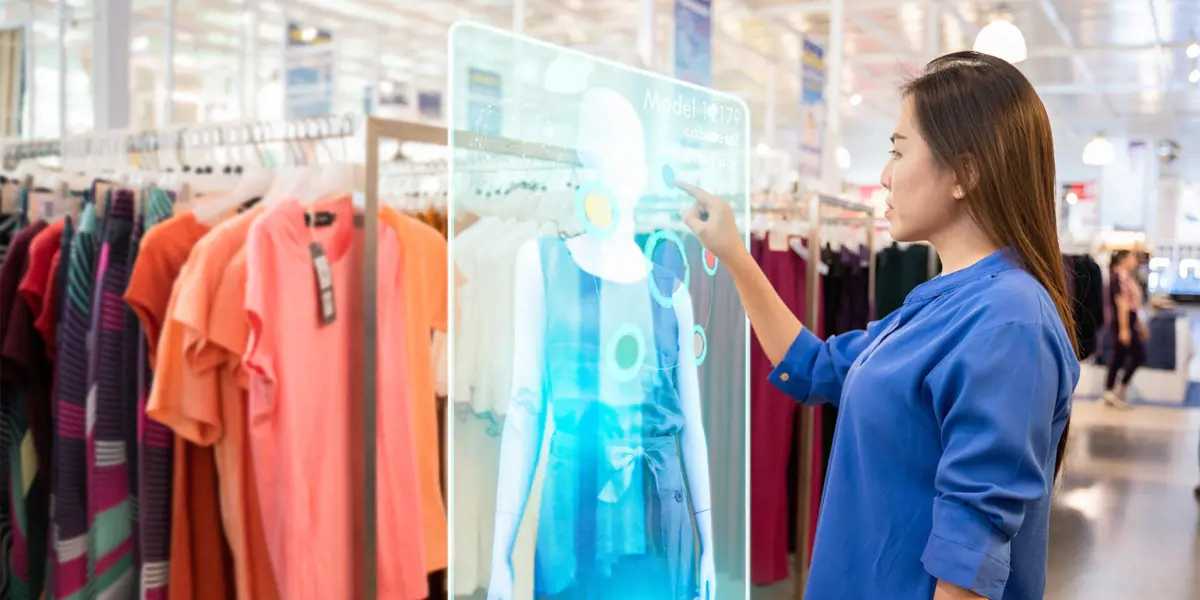
The phygital ecosystem is built upon a suite of interconnected technologies. Each serves a unique purpose in bridging the digital-physical divide.
A. Augmented Reality (AR) for Visualization and “Try-Before-You-Buy”: AR is perhaps the most visually impressive phygital tool. It allows customers to project digital products into their physical world. IKEA’s Place app lets users see how a piece of furniture would look and fit in their actual home. Sephora’s Virtual Artist allows customers to try on thousands of shades of makeup instantly. Warby Parker’s app enables trying on glasses frames via smartphone camera. This technology drastically reduces purchase uncertainty and return rates, particularly for aesthetic or size-sensitive categories.
B. QR Codes and NFC Tags: The Gateway to Digital Layers: Once a relic of the past, QR codes have been resurrected as simple yet powerful phygital gateways. A customer can scan a QR code on a product tag or store display to access a wealth of information: detailed specifications, how-to videos, ingredient sourcing, customer reviews, and even access to exclusive online-only discounts or loyalty points. Near-Field Communication (NFC) tags, which can be tapped with a smartphone, offer a similar, even more seamless experience.
C. Smart Fitting Rooms and Interactive Mirrors: The traditional fitting room, often a point of friction, is being transformed into a hub of phygital interaction. Smart fitting rooms equipped with RFID technology can automatically identify the items a customer brings in. An interactive mirror screen can then suggest complementary items, different sizes or colors, and allow the customer to request assistance without ever leaving the room. This not only enhances convenience but also acts as a powerful upsell tool.
D. Mobile Wallet Integration and Contactless Payments: The phygital journey culminates in the payment process. Mobile wallets like Apple Pay and Google Pay, along with one-click checkout apps, make the transaction instantaneous and secure. They can also store loyalty cards, coupons, and receipts, creating a fully digital and organized post-purchase record for the customer.
E. Artificial Intelligence and Hyper-Personalization: AI is the brain behind the phygital operation. It analyzes the vast amounts of data collected from both online and in-store behaviors to create a unified customer profile. This enables hyper-personalization, such as sending a customer a push notification with a personalized offer for their favorite brand when they enter the mall, or displaying a custom homepage on an in-store kiosk based on their past online browsing.
F. Buy-Online-Pickup-In-Store (BOPIS) and Curbside Pickup: While now commonplace, BOPIS remains a cornerstone of phygital strategy. It combines the immediacy of physical retail with the convenience of online shopping. Its advanced evolution, curbside pickup, takes convenience a step further, minimizing time and effort for the customer. This model also drives incremental sales, as customers often make additional “while I’m here” purchases when they come to collect their order.
C. Quantifying the Boom: The Multi-Trillion Dollar Impact
The financial implications of the phygital shift are staggering. While precise figures are dynamic, analysts and market research firms consistently project the value of this transformed retail landscape to run into the trillions of dollars globally. This value is not just in direct sales but in the overall economic efficiency and new business models it unlocks.
A. The Direct Sales Multiplier: A seamless phygital experience directly translates to higher sales. Customers who engage with a brand across multiple channels have a significantly higher lifetime value. For example, a customer who uses a retailer’s app while in-store is shown to have a larger basket size than one who does not. The ability to check endless aisle inventory on a store tablet means a lost sale is converted into a captured one.
B. The Data Asset Valuation: In an era where third-party cookies are disappearing, the data collected through phygital interactions is an immensely valuable asset. By understanding the full customer journey, retailers can optimize their marketing spend, reduce customer acquisition costs, and improve product forecasting. This data-driven decision-making leads to better margins and more sustainable growth.
C. The Supply Chain and Operational Efficiency: Phygital strategies like BOPIS and ship-from-store turn physical locations into mini-fulfillment centers. This decentralizes inventory, reduces last-mile delivery costs and times, and optimizes stock levels across the entire network. The result is a more resilient, efficient, and profitable supply chain.
D. The Global Market Expansion: The phygital model allows brands to establish a physical presence with a lower footprint and risk. A “dark store” dedicated to fulfillment, a showroom that holds no inventory, or an AR-powered virtual store can introduce a brand to new markets without the massive capital expenditure of a traditional flagship store.
D. Case Studies in Phygital Excellence
Several forward-thinking brands have become synonymous with phygital success, demonstrating the strategy’s power across different industries.
A. Nike: Mastering the Ecosystem: Nike’s phygital strategy is holistic. Their Nike App serves as a central hub, offering exclusive product drops, workout guides, and membership rewards. In their Nike Live and House of Innovation stores, the app unlocks further experiences: reserve shoes to try on, scan mannequins to see product details, and checkout seamlessly. This creates a loyal community, not just a customer base.
B. Sephora: The Beauty Tech Pioneer: Sephora has long been a leader, using its Beauty Insider program to tie together online and in-store activity. In-store, their Color IQ technology scans a customer’s skin tone to find perfect foundation matches, and their AR-powered Virtual Artist allows for risk-free makeup experimentation. These digital tools within the physical space empower customers and drive confidence in their purchases.
C. Home Depot: Empowering the DIYer: For a retailer in the complex home improvement space, phygital is about providing crucial information. Home Depot’s app is a powerhouse, featuring an interactive map of its massive stores, in-stock product locators, and extensive how-to content. A customer can watch a video on how to tile a floor and then immediately use the app to find the exact aisle and bay where every necessary tool and material is located.
E. The Road Ahead: Future Trends in Phygital Retail
The phygital evolution is far from over. The next wave of innovation is already taking shape, promising even deeper integration.
A. The Metaverse and Virtual Stores: While still in its early stages, the metaverse presents a new frontier. Brands are experimenting with permanent virtual stores where users, represented by avatars, can browse, socialize, and purchase digital or physical goods. This represents the ultimate phygital expression a fully digital experience that results in a tangible product arriving at your door.
B. Advanced Hyper-Personalization with AI and IoT: The future is predictive. Imagine a smart refrigerator that detects you are running low on milk and automatically adds it to your shopping list for curbside pickup at your preferred grocery store. Or a car that, based on your calendar and location, suggests and pre-orders your lunch as you drive. This level of ambient, context-aware commerce is the logical endpoint of phygital integration.
C. Frictionless Checkout and Cashier-Less Stores: Amazon Go’s “Just Walk Out” technology is the pinnacle of removing friction. By using a combination of cameras, sensors, and AI, it allows customers to simply pick up what they need and leave, with their account automatically charged. As this technology becomes more affordable, it will become a standard expectation for convenience-based retail.
D. Sustainability Through Phygital Innovation: Phygital strategies can significantly contribute to sustainability. Virtual try-on with AR reduces the number of physical products that need to be manufactured and shipped for trial, cutting down on returns and their associated carbon footprint. Optimized inventory and local fulfillment through BOPIS also lead to more efficient logistics and fewer delivery vehicles on the road.
F. Overcoming the Implementation Hurdles

The path to a successful phygital strategy is not without its challenges. Retailers must navigate issues of data privacy and security, ensuring that the personalized experiences they create do not cross the line into being intrusive. The significant investment in technology infrastructure and the talent required to manage it can be a barrier for smaller players. Perhaps the greatest challenge is internal: breaking down the traditional organizational silos between digital and physical retail teams to create a unified, collaborative culture focused on the singular goal of the customer journey.
In conclusion, the phygital retail boom is more than a transient trend; it is the fundamental recalibration of commerce for the 21st century. It represents a multi-trillion dollar opportunity for those brands bold enough to reimagine the customer experience, seamlessly weaving together the best of the digital and physical worlds. The retailers who will thrive are those who understand that they are no longer just selling products; they are architects of integrated, personalized, and memorable journeys. The future of retail is not online versus offline. It is a unified, phygital reality, and it is already here.