For over a decade, the landscape of human connection and information sharing has been dominated by a handful of corporate titans. Platforms like Facebook, Instagram, Twitter, and TikTok have woven themselves into the very fabric of our daily lives, promising connection and community. Yet, beneath the glossy surface of curated feeds and viral trends, a deep-seated disillusionment has been festering. Users are no longer just the product; they are the raw material, their attention mined and sold, their data monetized without recourse, and their digital voices subject to the opaque whims of a centralized authority. This model, once hailed as the pinnacle of technological progress, is now showing its age and its inherent flaws. But a paradigm shift is underway, emerging from the cryptographic foundations of blockchain technology. We are standing at the precipice of a monumental transition: the moment when Web3 finally begins to replace traditional social media.
This is not merely an upgrade or a new feature rollout. It is a fundamental re-architecting of the internet’s social layer, moving from a system of centralized control to one of decentralized ownership. It promises to return power, privacy, and prosperity to the individual user. To understand the profound implications of this shift, we must first deconstruct the broken model we seek to leave behind and then explore the core tenets of the Web3 social revolution that is already unfolding.
A. The Inherent Flaws of the Web2 Social Media Model
The current era of the internet, often termed Web2, is defined by interactivity and user-generated content. However, the platforms that enabled this interactivity operate on a centralized model where the company owns the platform, the data, and the rules. This structure creates a fundamental misalignment of incentives between the platform and its users.
A. The Data Extraction Economy: In Web2, you are not the customer; you are the inventory. Every click, like, share, comment, and even the time you spend hovering over a post is meticulously tracked, aggregated, and transformed into a detailed psychological profile. This profile is then auctioned off to advertisers, creating a multi-hundred-billion dollar industry where the users who generate the value see none of the direct financial reward. Our digital identities have become the world’s most valuable resource, harvested by corporations without our meaningful consent.
B. The Illusion of Ownership: Think about your social media profile the years of photos, the thoughtful posts, the intricate network of friends and followers. You have invested immense time and emotional energy into building this digital persona. Yet, you own none of it. The platform owns it. They can alter the rules of engagement, change the algorithm that determines your visibility, or even delete your entire account without warning or a transparent appeals process. You are a tenant on digital land owned by an unpredictable landlord.
C. Algorithmic Manipulation and Echo Chambers: The core business model of Web2 social media is engagement at any cost. To maximize the time you spend on their platform, sophisticated algorithms curate your feed not to show you what is most important or truthful, but what is most likely to provoke a reaction often outrage, fear, or envy. This creates self-reinforcing echo chambers that amplify polarization, spread misinformation, and have been linked to rising levels of anxiety, depression, and social fragmentation, particularly among younger users.
D. Censorship and Centralized Control: The power to moderate content is concentrated in the hands of a few private companies. While content moderation is necessary to combat genuine harm, the process is often inconsistent, politically biased, and lacking in transparency. The debate around free speech versus harmful content is a complex one, but entrusting this immense power to a small group of unaccountable corporate entities presents a clear danger to democratic discourse and individual expression.
It is from the crumbling edifice of this broken system that Web3 social media emerges, not as a simple patch, but as a philosophical and technological alternative.
B. The Core Pillars of Web3 Social Media
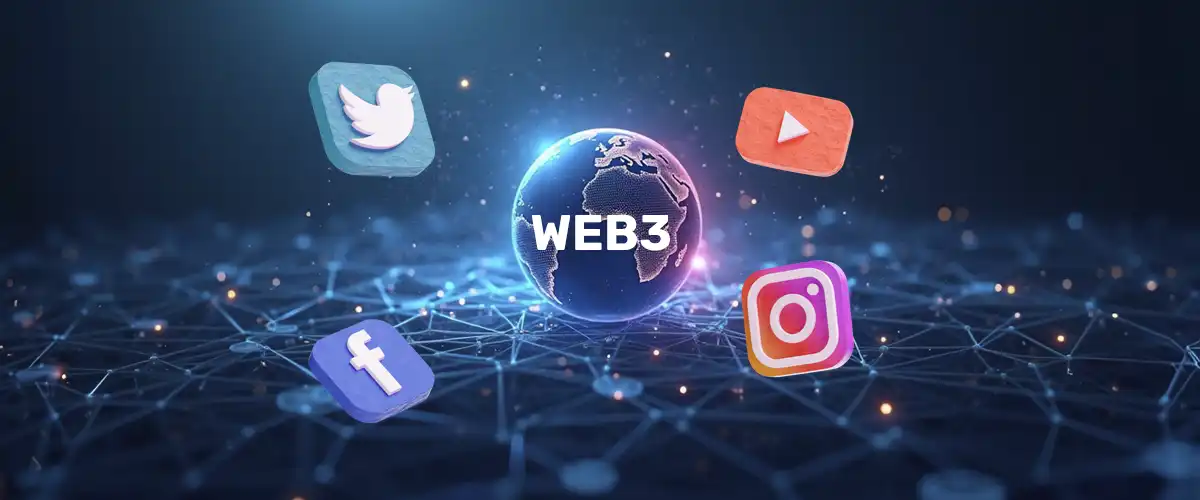
Web3 social media is built on the foundational principles of blockchain technology: decentralization, cryptographic security, and token-based economics. It reimagines social networking from the ground up, aiming to correct the core failures of its predecessor.
A. Decentralization and User Sovereignty: Instead of a single company running the platform on its servers, Web3 social networks operate on a distributed network of computers, often a blockchain. Your profile, your content, and your social connections are not stored on a central server owned by Meta or Google. They are stored on a decentralized protocol, and you control them through a cryptographic key a digital passport that proves your ownership. No central entity can freeze your account or take away your audience because they simply do not have the power to do so.
B. True Digital Ownership Through NFTs and Tokens: This is perhaps the most revolutionary aspect. In Web3, your creations can be minted as Non-Fungible Tokens (NFTs), providing a verifiable and unforgeable certificate of ownership on the blockchain. A piece of digital art, a seminal blog post, or a unique musical composition can be truly owned by you, the creator. Furthermore, social tokens or community tokens allow creators to tokenize their personal brand or community, enabling fans to invest directly in their success and share in the value they help create.
C. User-Controlled Data and Portable Reputation: With your identity and data anchored to a blockchain protocol rather than a specific platform, you achieve unprecedented portability. Your social graph the map of your connections and followers can be yours to take anywhere. Imagine leaving one social media app for a better one and taking all your followers with you seamlessly. Your reputation, built through interactions and contributions, becomes a portable asset, breaking the platform lock-in that traps users in Web2.
D. Transparent, Community-Driven Governance: Many Web3 social platforms are governed by Decentralized Autonomous Organizations (DAOs). Instead of a CEO and a board of directors making all the decisions, holders of the platform’s governance token can propose and vote on changes to the network’s rules, features, and policies. This transforms users from passive consumers into active stakeholders, ensuring the platform evolves in a direction that benefits its community.
E. Novel Economic Models for Creators: Web3 dismantles the ad-based revenue model. Creators can monetize their work directly through their audience via NFTs, social tokens, micro-tipping with cryptocurrencies, and other direct monetization mechanisms. This allows for a much more equitable distribution of value, where the vast majority of the revenue flows to the creator, not to an intermediary platform.
C. A Deep Dive into Pioneering Web3 Social Platforms
The theory of Web3 social media is compelling, but it is already being put into practice by a new generation of protocols and applications. Let’s examine some of the most prominent contenders shaping this new landscape.
A. Lens Protocol: The Modular Social Graph: Think of Lens Protocol as the foundational plumbing for a decentralized social media ecosystem. It is not an app itself, but a protocol built on the Polygon blockchain that allows developers to build social applications on top of a portable, user-owned social graph. When you create a profile on a Lens-based app, you own that profile as an NFT. Your followers are represented as NFTs in your wallet, and your posts, mirrors (likes/retweets), and comments are all stored on-chain. This means you can use your Lens profile across dozens of different applications, from Twitter-like clients to video-sharing platforms, all while maintaining your identity and community.
B. Farcaster: A Sufficiently Decentralized Social Network: Farcaster is a protocol for building decentralized social networks, with a primary focus on “sufficiently decentralized” functionality. It consists of a decentralized identity system (your Farcaster ID) and a user-owned data store. Apps built on Farcaster, like the popular client Warpcast, interact with this shared protocol. Users own their social identity and their data. If they disagree with an app’s policies or development direction, they can simply switch to a different client without losing their social capital, fostering a competitive ecosystem of applications all reading from and writing to the same user-controlled data.
C. DeSOH: The Social Layer for Web3: While Lens and Farcaster provide the backend infrastructure, DeSOH (Decentralized Social Holding) represents the application layer and the philosophy of user-centric social networking. It’s an umbrella term for the ecosystem of applications and communities built on these decentralized protocols. DeSOH emphasizes the ownership economy, where users are not just participants but owners and co-creators of the networks they inhabit. It’s about building social experiences where the value accrues to the community, not to a distant corporation.
D. The Inevitable Challenges on the Path to Adoption
Despite its immense promise, the transition to Web3 social media is not without significant hurdles. Acknowledging and overcoming these challenges is critical for mainstream adoption.
A. The Scalability and Cost Conundrum: Storing every post, like, and follow-up on a blockchain is computationally expensive and can lead to high transaction fees (gas fees) and network congestion. While Ethereum, the leading smart contract platform, has faced these issues, scaling solutions like Polygon, Arbitrum, and Solana are making great strides in providing the high throughput and low costs necessary for a smooth social media experience.
B. The User Experience (UX) Barrier: The current process of setting up a crypto wallet, safeguarding seed phrases, and paying for gas fees is a significant barrier for the average non-technical user. For Web3 social media to go mainstream, the onboarding process must become as seamless as “Sign in with Google.” Innovations in account abstraction (where wallets can behave like regular accounts) and gasless transactions sponsored by applications are actively being developed to solve this problem.
C. Content Moderation in a Decentralized World: How do you combat hate speech, illegal content, and coordinated disinformation campaigns without a central moderator? This is one of the most complex challenges. Solutions are emerging, such as decentralized reputation systems, user-curated blocklists, and community-based moderation via DAOs. The goal is not the absence of moderation, but a more transparent and community-led form of content curation.
D. The Network Effect Mountain: The primary value of a social network is its users. Web2 giants boast billions of active users, creating a powerful gravitational pull that is difficult to escape. Convincing a critical mass of users to migrate to a new, unfamiliar platform, even with superior technology, is a monumental task. The growth will likely be gradual, starting with crypto-native communities, artists, and creators before eventually spilling over into the mainstream.
E. The Future is Decentralized: A Glimpse into the Web3 Social Horizon
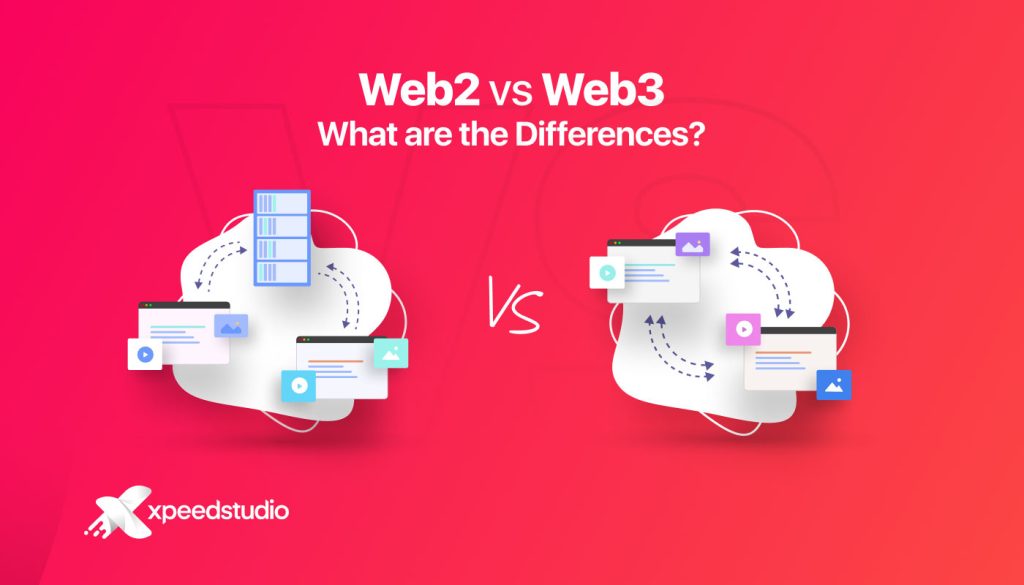
The ultimate success of Web3 social media will not be measured by whether it perfectly replicates the features of Web2 platforms, but by whether it enables fundamentally new and valuable social experiences that were previously impossible.
A. The Rise of the Creator-Centric Economy: We will see the emergence of “Creator DAOs,” where a creator’s most dedicated fans are not just followers but co-owners and collaborators, helping to guide the creator’s career and sharing in the financial upside. Fans will have a direct financial stake in the success of their favorite artists, writers, and musicians.
B. The Token-Gated Community: Social spaces will become more valuable and exclusive through token-gating. Access to a private group, a special chat, or exclusive content will require holding a specific NFT or social token. This allows creators to build deeper, more engaged communities and provides a direct mechanism for monetizing their most loyal fans.
C. The Interoperable Metaverse: Your decentralized social identity and assets will be the key to traversing the open metaverse. The avatar you own as an NFT on one platform, the social reputation you built on another, and the digital fashion items you collected on a third will all be part of your portable identity, usable across a multitude of virtual worlds and social experiences.
Conclusion: The Tectonic Shift is Underway
The question is no longer if Web3 will replace traditional social media, but when and how the transition will fully manifest. The centralized model of Web2 has reached its logical conclusion, revealing itself as an extractive and manipulative system that is antithetical to the original, open spirit of the internet. Web3 social media, with its core tenets of ownership, user sovereignty, and community governance, offers a compelling alternative.
It promises a future where we are no longer tenants in digital fiefdoms but landowners in a vast, interconnected social commons. It promises a future where creators are rightfully compensated for the value they generate. It promises a future where our online interactions are built on a foundation of transparency and trust, not opaque algorithms and corporate surveillance.
The revolution will not be televised on a centralized feed. It will be broadcast on a decentralized protocol, owned and governed by its users. The tools are being built, the communities are forming, and the paradigm is shifting. The age of decentralized social media is dawning.