The traditional office, with its fixed hours, fluorescent lighting, and daily commute, is no longer the universal symbol of professional life. A profound transformation is underway, accelerated by global connectivity and a post-pandemic reevaluation of work-life balance. At the forefront of this revolution is the digital nomad a professional unshackled from geographical constraints, leveraging technology to work from anywhere in the world. For years, these modern-day explorers navigated a legal gray area, often stretching tourist visas to their limits. However, recognizing an unprecedented economic opportunity, a growing number of countries are rolling out the welcome mat through a specific, targeted immigration category: the Digital Nomad Visa (DNV). This isn’t just a trend; it’s a global gold rush, where nations are competing to attract a new class of affluent, mobile professionals. This article serves as your definitive guide to understanding this phenomenon, exploring the key players, the application intricacies, and the long-term implications of this seismic shift in how and where we work.
A. Deconstructing the Digital Nomad Visa Phenomenon
A Digital Nomad Visa is a legally issued permit that allows an individual to reside in a foreign country for an extended period, typically ranging from six months to two years, while legally working for an employer or client based outside of that host country. It is fundamentally different from a tourist visa, which usually prohibits any form of work, and a traditional work permit, which requires employment with a local entity.
The driving forces behind this global shift are multifaceted:
-
Economic Stimulus: Digital nomads are viewed as high-value, low-impact tourists. They stay longer and spend money on accommodation, local services, food, and transportation, injecting capital directly into local economies without competing with the local labor market for jobs.
-
Demographic Rejuvenation: Many countries offering these visas, particularly in Europe, face issues of rural depopulation and an aging demographic. Attracting young, skilled professionals can help revitalize smaller towns and cities.
-
Global Branding: Positioning a nation as “digital nomad friendly” enhances its image as a modern, forward-thinking, and attractive destination for future investment and tourism.
-
The Pandemic Catalyst: The widespread adoption of remote work proved that for many knowledge-based industries, physical presence in an office is optional. This normalized remote work on a global scale, creating a massive, ready-made audience for these visa programs.
B. A Global Tour of Premier Digital Nomad Visa Destinations
The landscape of DNVs is diverse, offering options from tropical paradises to historic European centers. Here is an in-depth look at some of the most sought-after destinations.
1. The European Contenders: Culture and Connectivity
-
Portugal (D2 Visa/D8 Visa): Portugal has been a frontrunner in attracting remote talent. While often grouped under the DNV umbrella, the D2 (Entrepreneur) and D8 (Digital Nomad) visas are the primary pathways. The D8 visa, in particular, requires proof of a stable monthly income (typically around €3,040), which must be significantly higher than the Portuguese minimum wage. The benefits are immense: a world-class quality of life, stunning coastlines, a rich cultural tapestry, and a path to permanent residency and citizenship. The allure of the Algarve’s beaches or Lisbon’s vibrant tech scene makes Portugal a perennial favorite.
-
Spain (Digital Nomad Visa): Following in Portugal’s footsteps, Spain launched its own highly anticipated DNV. It targets non-EU citizens who can prove they work remotely for companies outside of Spain. Requirements include a university degree or proof of professional experience, a clean criminal record, and private health insurance. The income threshold is designed to be competitive, aiming to draw professionals to its diverse regions, from the cosmopolitan energy of Barcelona to the tranquil charm of Andalusia.
-
Croatia: As one of the first EU nations to launch a formal DNV, Croatia set a strong precedent. The program requires applicants to demonstrate a monthly income of around €2,300, hold private health insurance, and pass a background check. Successful applicants can enjoy life along the stunning Dalmatian Coast, exploring ancient cities like Dubrovnik and Split while enjoying a relatively low cost of living compared to Western Europe.
-
Greece: Greece’s DNV program is designed to leverage its iconic islands and Mediterranean climate. With an income requirement of approximately €3,500 per month, it aims to attract higher-earning professionals. The visa grants a one-year stay, extendable for an additional year. Imagine working from a villa in Crete or a café in Athens—Greece makes this dream a tangible reality.
2. The Tropical Paradises: Sun, Sand, and Sustainability
-
Barbados (Welcome Stamp): A true pioneer, Barbados launched its 12-month Welcome Stamp at the height of the pandemic, capturing global attention. The program allows remote workers to live and work on the island for a year, renewable. The application process is straightforward, focusing on proof of employment and an annual income of at least $50,000. It offers the quintessential Caribbean experience, blending productivity with paradise.
-
Costa Rica (Rentista Visa): While not exclusively a DNV, the Rentista visa is a popular option for remote workers. It requires proof of a stable, passive income of at least $2,500 per month for two years or a deposit of $60,000 in a Costa Rican bank. Known for its “Pura Vida” lifestyle, unparalleled biodiversity, and commitment to sustainability, Costa Rica offers a unique opportunity for those seeking a connection with nature.
-
Bali, Indonesia (B211a Visa): The digital nomad mecca of Bali has formalized its status with the B211a visa. This socio-cultural visit permit can be used for remote work and allows for a five-month stay, extendable for another five months. While the process can be facilitated through agents, it requires sponsorship and proof of funds. Bali’s low cost of living, vibrant expat community, and spiritual ambiance continue to make it a top destination.
3. Emerging and Specialized Destinations
-
Dubai, UAE (Virtual Working Program): Reflecting its ambition to be a future-forward hub, Dubai offers a one-year program for remote workers and entrepreneurs. It requires a monthly income of $3,500, health insurance, and proof of employment. This program provides access to a dynamic, ultra-modern city with a strategic global location, excellent infrastructure, and tax-free living.
-
Estonia (Digital Nomad Visa): As a digital society leader, Estonia was one of the first countries to conceptualize a DNV. It caters to location-independent workers serving clients abroad. The visa requires proof of a sustained monthly income (currently over €4,500 for the long-stay version). Estonia offers a unique blend of medieval history and cutting-edge digital infrastructure, all within the Schengen Area.
C. The Comprehensive Roadmap to Securing Your Digital Nomad Visa
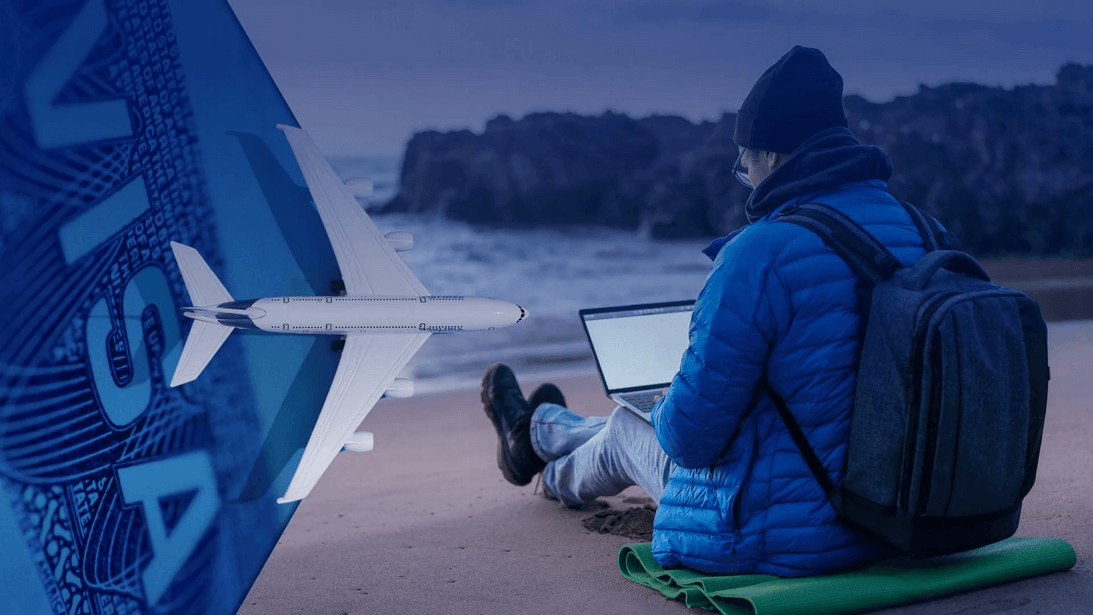
The application process, while varying by country, generally follows a consistent framework. Meticulous preparation is the key to success.
A. Initial Research and Eligibility Assessment:
Your first step is to identify a destination that aligns with your professional needs, personal lifestyle, and financial reality. Scrutinize the official government immigration website for the most current requirements. Key eligibility criteria almost always include:
-
Minimum Income Threshold: This is the most common and critical requirement. Ensure your income is stable and can be consistently proven.
-
Proof of Remote Employment/Client Base: Contracts, letters from employers, or client agreements demonstrating your work is conducted remotely for entities outside the host country.
-
Clean Criminal Record: A police clearance certificate from your country of residence is standard.
-
Valid Health Insurance: Comprehensive travel or international health insurance that covers you for the entire duration of your stay.
-
Valid Passport: Your passport must usually be valid for at least six months beyond your intended stay.
B. Meticulous Document Compilation and Authentication:
This is where precision is paramount. Commonly required documents include:
-
Completed visa application form.
-
Passport-sized photographs.
-
Copy of your passport’s biographical page.
-
Proof of income (bank statements, payslips, client contracts).
-
Proof of remote work (employer letter, business registration).
-
Clean criminal record report.
-
Proof of health insurance.
-
Proof of accommodation (can sometimes be provided after visa approval).
Many countries require these documents to be translated into their official language and notarized or apostilled.
C. Navigating the Application Submission and Approval Process:
Applications are typically submitted to the nearest embassy or consulate of the destination country. Some nations, like Barbados, have streamlined online portals. Be prepared for processing fees and potentially an interview. Processing times can range from a few weeks to several months, so plan your timeline accordingly.
D. Post-Approval Relocation and Integration:
Once approved, the real journey begins. This involves finalizing travel arrangements, securing long-term accommodation, setting up local banking (if needed), and understanding your tax obligations both in your home country and your new host nation. Proactive integration into the local community is crucial for a fulfilling experience.
D. Critical Considerations and Potential Challenges
The digital nomad lifestyle, while alluring, is not without its complexities. A successful nomad is a prepared nomad.
-
The Tax Conundrum: This is the most complex area. Most DNVs do not make you a tax resident, but the rules vary. In the U.S., citizens are required to file taxes regardless of where they live. It is imperative to consult with a cross-border tax professional to understand your liabilities and avoid legal pitfalls.
-
Healthcare and Insurance: Relying on your home country’s health insurance abroad can be risky. Investing in a robust international health insurance plan that includes medical evacuation is non-negotiable for your safety and financial security.
-
The Reality of “Nomad Burnout”: Constant travel, time zone juggling, and the absence of a stable community can lead to isolation and burnout. It’s essential to build routines, find co-working spaces for social interaction, and schedule downtime to maintain mental and physical well-being.
-
Legal Limitations: A DNV is a residence permit, not a work permit for the local economy. You cannot take up employment with a local company. Violating this condition can result in visa revocation and deportation.
-
Cultural and Logistical Hurdles: Language barriers, bureaucratic red tape, and unreliable internet in some locations can pose significant challenges. Thorough research and a patient, adaptable mindset are your greatest assets.
E. The Future Horizon: Beyond the Gold Rush
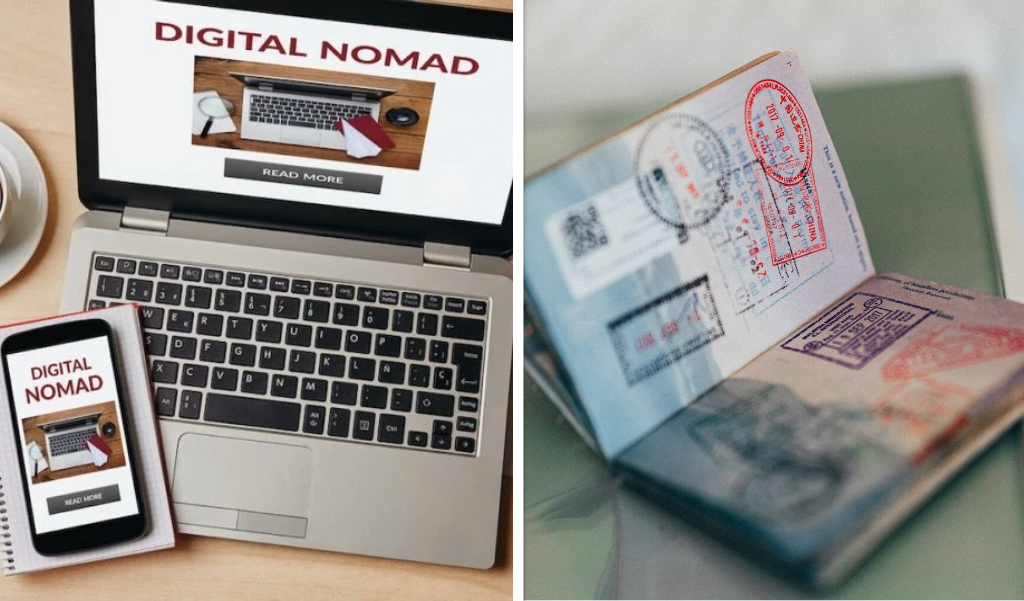
The digital nomad visa trend shows no signs of slowing down. We are likely to see:
-
Increased Competition and Refinement: As more countries join the race, we will see more competitive income requirements, faster processing times, and enhanced benefits packages to stand out.
-
The Rise of “Nomad Hubs”: Cities and towns will continue to develop specialized infrastructure high-speed internet, co-working spaces, and community events explicitly catering to this demographic.
-
Long-Term Residency and Citizenship Pathways: Some countries may begin to link long-term DNV stays with pathways to permanent residency, seeing it as a “trial period” for attracting new, permanent, tax-paying residents.
-
Potential Backlash and Regulation: In popular destinations, rising costs of living and housing shortages attributed to an influx of affluent foreigners could lead to local resentment and calls for stricter regulations or caps on visa numbers.
Conclusion: Seizing Your Place in the New World of Work
The digital nomad visa gold rush is more than a fleeting trend; it is a fundamental restructuring of the relationship between work, life, and geography. It represents a unique moment in history where individuals have unprecedented freedom to design their lives on their own terms, while countries have the opportunity to harness a new form of economic development. For the aspiring nomad, the path requires more than just a laptop and a dream it demands diligent research, financial preparedness, and a profound respect for the cultures and laws of host nations. By carefully navigating the opportunities and challenges, you can successfully claim your stake in this global revolution and turn the dream of a borderless professional life into your rewarding reality.