We stand at the precipice of a revolution, not merely in technology, but in the fundamental understanding of human identity. For decades, marketers have sought the holy grail: a perfect, unambiguous map of the consumer’s mind, predicting desires before they are even consciously formed. Traditional demographics age, gender, location have been crude instruments, like using a hand-drawn map to navigate a complex, ever-changing metropolis. Psychographics and browsing history added color, but the picture remained frustratingly incomplete.
Today, a new, profound metaphor is emerging to guide this quest: The Digital Genome. Just as our biological genome is a complex, unique code that dictates our physical traits and predispositions, our digital footprint a vast, intricate sequence of our online actions, preferences, social connections, and engagements forms a parallel digital DNA. This “Digital Genome” is the key to unlocking an unprecedented level of personalization in marketing, moving beyond simple targeting into the realm of predictive engagement and truly resonant consumer relationships. This article delves deep into how this bio-digital convergence is reshaping the marketing landscape, exploring its mechanisms, immense potential, and the critical ethical considerations it demands.
A. Deconstructing the Digital Genome: From Pixels to Patterns
What exactly constitutes this so-called Digital Genome? It is not a single data point but a massive, interconnected ecosystem of information generated by every digital interaction. To understand its power, we must sequence its core components, much like scientists sequence the base pairs of DNA.
A. The Core Data Helix: Structured and Unstructured Information
The Digital Genome is built on a double helix of data types:
-
Structured Data: This is quantifiable, easily organized information that fits neatly into databases and spreadsheets.
-
Demographic Information: Age, gender, income bracket, education level, and occupation.
-
Transaction History: Past purchases, average spending, preferred payment methods, and brand affinities.
-
Device and Platform Data: The type of device used (smartphone, laptop, tablet), operating system, and most frequently used applications (e.g., Instagram, TikTok, LinkedIn).
-
-
Unstructured Data: This is the vast, messy, and immensely valuable data that requires advanced tools like AI and Natural Language Processing (NLP) to decipher.
-
Social Media Activity: Every like, share, comment, post, and even the sentiment behind them. The pages you follow, the groups you join, and the influencers you engage with paint a detailed picture of your interests and values.
-
Search Query History: The questions you ask Google are direct windows into your intentions, fears, aspirations, and immediate needs. Searching for “best running shoes for flat feet” is far more powerful than simply being tagged as “interested in sports.”
-
Content Consumption Patterns: The articles you read, the videos you watch on YouTube, the podcasts you listen to, and how long you engage with this content. This reveals not just what you are interested in, but the depth of that interest.
-
Location Data (Geospatial Information): The physical paths you take, the restaurants you visit, the stores you browse, and the cities you travel to. This connects your digital profile to your real-world behavior.
-
B. The Sequencing Process: How Data is Compiled and Analyzed
Raw data is meaningless without analysis. The process of decoding the Digital Genome involves sophisticated technological layers:
-
Data Aggregation: Data is collected from a multitude of sources website cookies, mobile app SDKs, CRM systems, social media APIs, and third-party data brokers. This creates a massive, centralized data lake.
-
Identity Resolution: This is a critical step. Using algorithms, marketers stitch together disparate data points from different devices and platforms to create a single, coherent customer profile. For example, linking your anonymous laptop browsing session with your logged-in mobile app activity and your in-store loyalty card purchases.
-
Pattern Recognition and Machine Learning: AI and ML algorithms are the microscopes of the digital world. They sift through the aggregated data to identify hidden patterns, correlations, and trends. They can predict future behavior, such as the likelihood of a customer to churn or their potential lifetime value.
-
Cluster Analysis (Segmentation): Based on the patterns identified, consumers are grouped into micro-segments or even nano-segments. Instead of “Females, 25-35,” a segment might be “Urban-dwelling females, 28-32, who practice yoga, follow sustainable fashion brands, have searched for vegan recipes in the last month, and are likely to be planning a trip to Southeast Asia.”
B. The Marketing Revolution: From Blunt Instruments to Surgical Precision
The practical application of the Digital Genome is transforming every facet of marketing strategy, moving the industry from a broadcast model to a one-to-one conversation.
A. Hyper-Personalized Content and Messaging
Gone are the days of generic email blasts. With a sequenced Digital Genome, every piece of communication can be tailored.
-
Dynamic Creative Optimization (DCO): Advertisements automatically customize their imagery, copy, and offers based on the viewer’s profile. A user who frequently browses hiking gear might see an ad for a backpack featuring mountain scenery, while a user interested in urban fashion might see the same backpack in a city setting.
-
Personalized Email Marketing: Beyond using a first name, emails can feature product recommendations based on past purchases and browsing history, content links aligned with the user’s reading habits, and offers timed to when they are most likely to engage.
B. Predictive Customer Journey Mapping
Marketers are no longer simply reacting to the customer journey; they are predicting and shaping it.
-
Anticipating Needs: By analyzing search patterns and content consumption, a brand can identify when a user is in the “consideration” phase for a high-value product, such as a car or insurance policy. They can then serve content designed to answer specific, unasked questions and gently guide them toward a decision.
-
Churn Prediction: ML models can analyze behavioral data to identify customers who are at a high risk of leaving for a competitor. This allows for proactive intervention with special retention offers or dedicated support before the customer is lost.
C. Micro-Moment Targeting
The Digital Genome allows brands to be present and relevant in the countless micro-moments that define a modern consumer’s day the “I-want-to-know,” “I-want-to-go,” “I-want-to-do,” and “I-want-to-buy” moments. By understanding a user’s context (location, time of day, device), brands can deliver hyper-relevant messages. For instance, pushing a coupon for a coffee shop to a user’s phone as they walk past it on their way to work.
D. Optimized Customer Lifetime Value (CLV) Modeling
By building a rich, dynamic profile of each customer, companies can more accurately predict their long-term value. This allows for smarter allocation of marketing resources, focusing efforts and budgets on nurturing high-value relationships rather than pursuing unprofitable customer acquisitions.
C. The Inevitable Comparison: Genomics Meets the Digital Profile
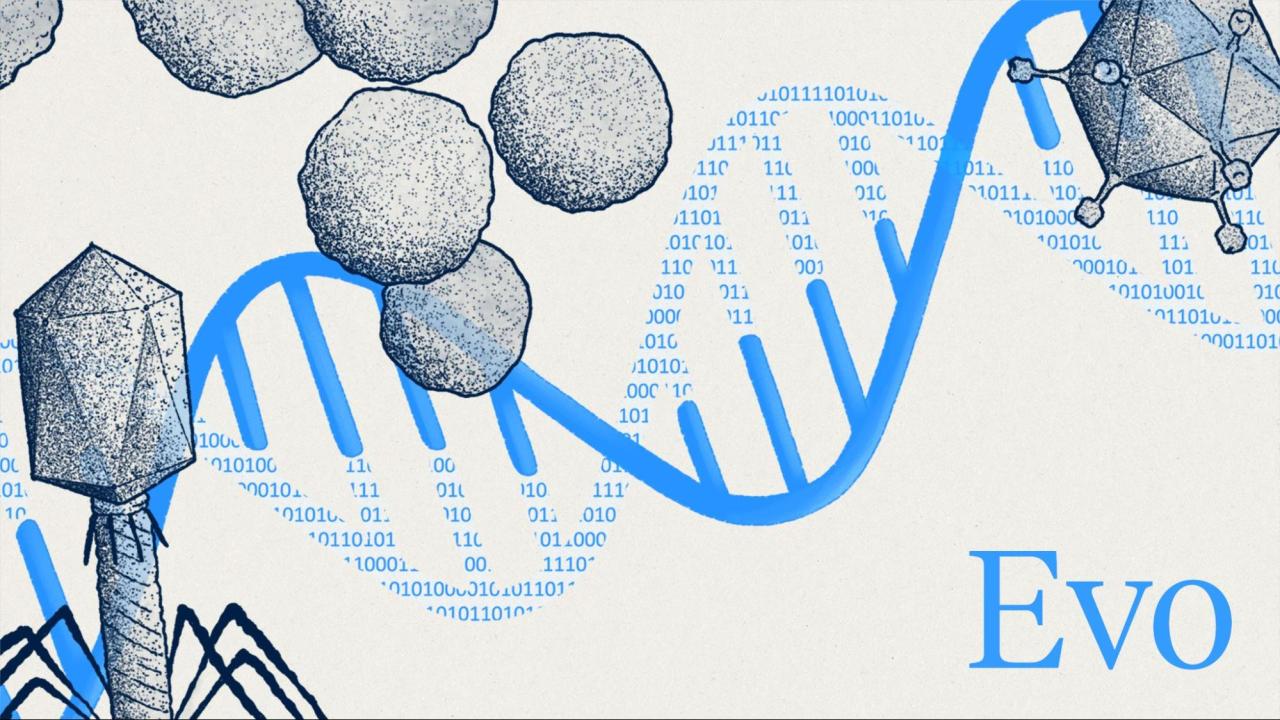
The parallels between biological genomics and its digital counterpart are not merely poetic; they are functionally instructive. Understanding one helps us comprehend the potential and perils of the other.
| Aspect | Biological Genomics | Digital Genome (Consumer Profile) |
|---|---|---|
| Fundamental Code | DNA (A, T, C, G nucleotides) | Digital Data (Clicks, Likes, Purchases, Searches) |
| Core Purpose | Blueprint for physical life and predispositions. | Blueprint for preferences, behavior, and intent. |
| Analysis Tool | DNA Sequencers (e.g., CRISPR, NGS) | AI, Machine Learning, Big Data Analytics |
| Primary Output | Understanding health risks, personalized medicine. | Understanding consumer needs, personalized marketing. |
| Key Ethical Concern | Privacy of genetic data, genetic discrimination. | Privacy of personal data, algorithmic bias, manipulation. |
| Individual Uniqueness | Each person’s genome is unique (except identical twins). | Each person’s digital footprint is highly unique. |
This comparison underscores a critical point: both fields deal with the most intimate aspects of an individual’s identity. The handling of this information, therefore, carries a profound ethical weight.
D. The Ethical Labyrinth: Navigating Privacy, Bias, and Transparency
The power to decode the Digital Genome is a double-edged sword. Its potential for good is matched by its capacity for harm if left unchecked. Responsible implementation is not optional; it is imperative.
A. The Privacy Paradox and Data Security
Consumers are increasingly aware of data collection and are rightfully concerned about how their information is used and protected. The “value exchange” must be clear: what does the user get in return for their data? A seamless, personalized experience? Or just more intrusive ads? Furthermore, the centralized storage of such detailed profiles makes companies prime targets for cyberattacks. A data breach involving a Digital Genome is not just a leak of emails and passwords; it’s a violation of a person’s behavioral identity.
B. Algorithmic Bias and Digital Discrimination
Algorithms are not objective; they are trained on data created by humans, and thus, they can inherit and even amplify human biases. If historical data shows a tendency to target certain job ads to a specific gender or racial demographic, the AI will learn to perpetuate this discrimination. This can lead to “digital redlining,” where certain groups are systematically excluded from opportunities like housing ads, credit offers, or employment opportunities.
C. The Manipulation and Autonomy Dilemma
When a marketer understands a consumer’s psychological triggers better than the consumer themselves, the line between persuasion and manipulation blurs. Predictive algorithms can exploit cognitive biases and emotional vulnerabilities to drive engagement and purchases, potentially leading to addictive behaviors or decisions that are not in the individual’s best interest. This raises fundamental questions about free will and autonomy in the digital marketplace.
D. The Imperative of Transparency and Consent
Building trust in this new era requires radical transparency. Companies must move beyond legalese in their privacy policies and clearly explain what data they collect, how it is used, and who it is shared with. Consent should be informed, explicit, and easy to revoke. Regulations like GDPR in Europe and CCPA in California are steps in the right direction, forcing companies to be more accountable.
E. The Future Frontier: Where Do We Go From Here?
The evolution of the Digital Genome is far from over. Several emerging trends will define its next chapter.
A. The Integration of Biometric Data
The next layer of data will be physiological. Wearable devices that track heart rate, sleep patterns, and stress levels (e.g., Apple Watch, Oura Ring) can provide a real-time window into a user’s emotional and physical state. Imagine an ad for a meditation app being served not because you searched for it, but because your smartwatch data indicates you are experiencing elevated stress levels.
B. The Rise of the Decentralized Identity (Self-Sovereign Identity)
In reaction to privacy concerns, a new model is emerging: decentralized identity. Here, users own and control their own data, storing it in personal “wallets.” They can then grant temporary, permissioned access to companies for specific purposes, revoking it at any time. This would fundamentally shift the power dynamic from corporations back to individuals.
C. AI-Generated Hyper-Personalization
The future of content is not just curated, but generated on the fly. Advanced AI will be able to create unique video ads, articles, or product designs tailored to a single individual’s Digital Genome in real-time, making mass personalization a true reality.
D. The Increasing Role of Regulation
Governments worldwide will continue to play catch-up, creating new laws to govern the use of AI and personal data. The industry must proactively engage in this process, advocating for ethical standards that protect consumers without stifling innovation.
Conclusion: Embracing the Power with Responsibility
The concept of the Digital Genome marks a paradigm shift in how we understand and interact with consumers. It is a powerful lens that brings the blurry picture of mass markets into sharp, individual focus. The benefits for businesses increased efficiency, customer loyalty, and revenue growth are undeniable. For consumers, it promises a world of reduced irrelevant advertising, seamless experiences, and products and services that feel uniquely made for them.
However, this power cannot be wielded without a deep and unwavering commitment to ethics. The companies that will thrive in this new era will be those that build their strategies on a foundation of transparency, security, and user-centric value. They will understand that a consumer’s Digital Genome is not a resource to be mined, but a trust to be stewarded. The ultimate goal is not to create a perfectly predictable consumer, but to foster a more respectful, relevant, and mutually beneficial relationship between brands and the people they serve. The digital code has been cracked; the responsibility to use it wisely now rests in our hands.