We stand at the precipice of one of the most transformative technological revolutions of our time, a shift that promises to blur the lines between the physical and digital worlds in ways we are only beginning to comprehend. This is not merely about building a better website or a faster app; it is about creating a dynamic, living digital replica of ourselves, our products, and our systems. The concept of a “Digital Twin” has moved from the realms of science fiction and niche industrial applications to the forefront of strategic innovation. Your digital twin, in a very real sense, is ready and waiting to be built. But what does that truly mean for you, for businesses, and for society at large?
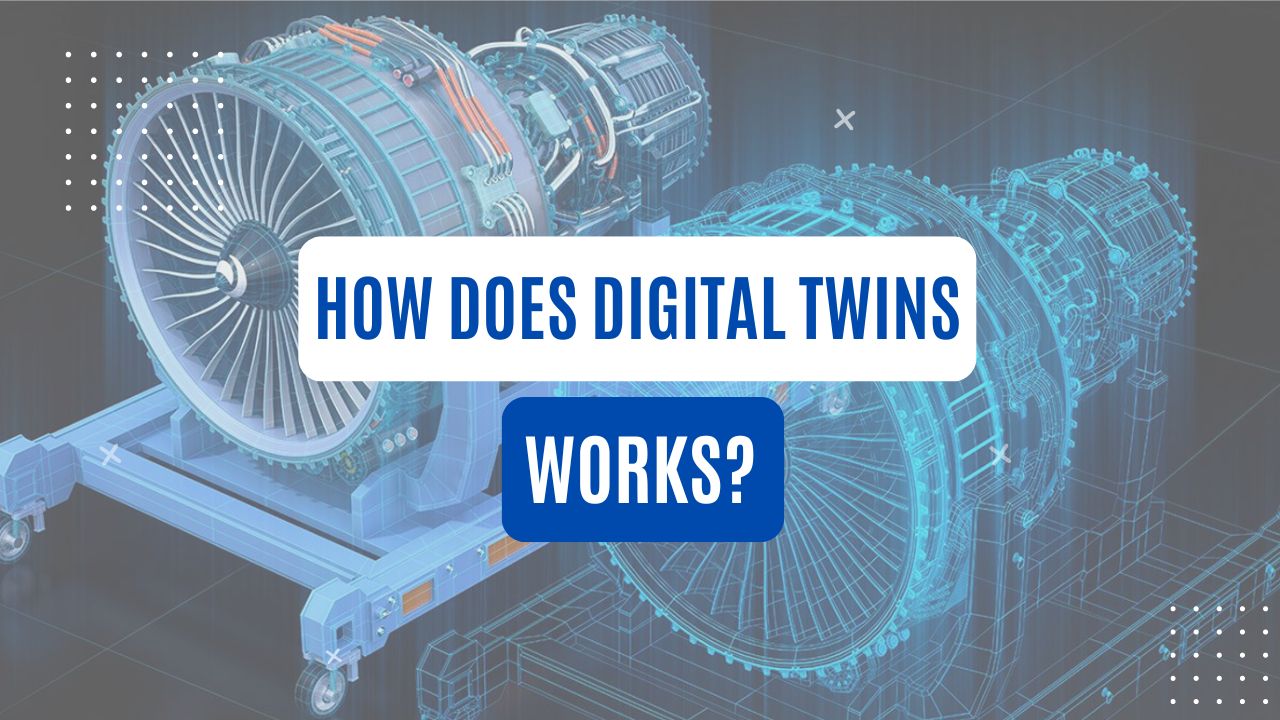
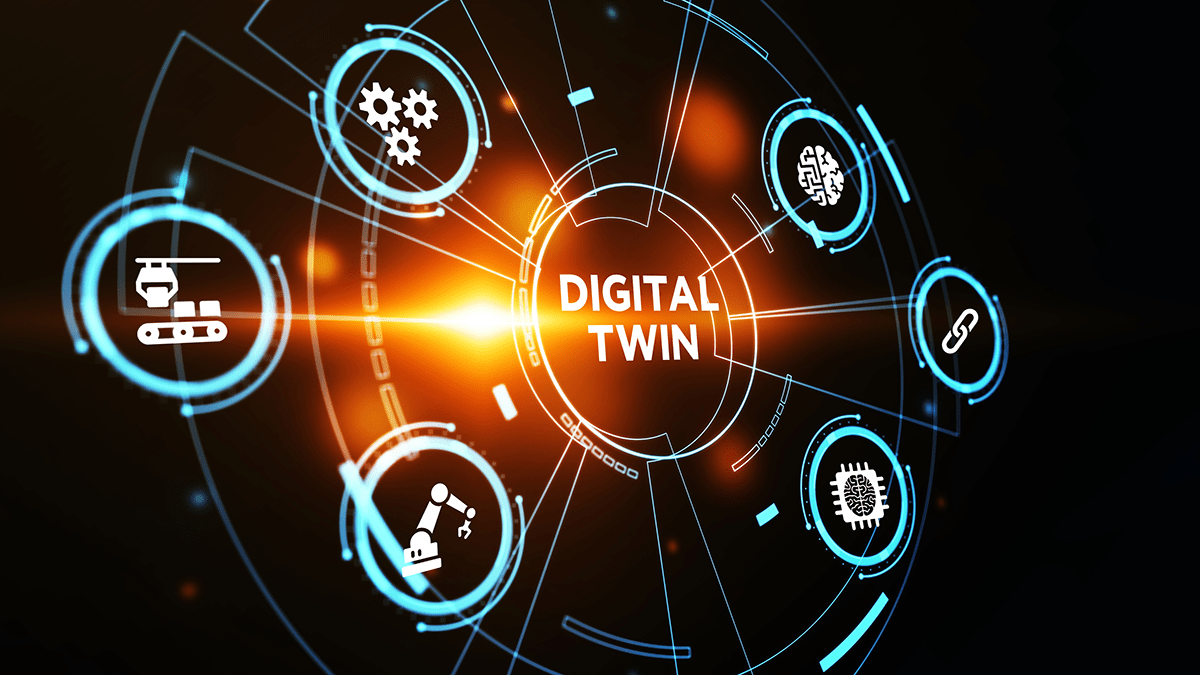
A Digital Twin is far more than a static 3D model or a simple data profile. It is a comprehensive, virtual representation of a physical object, process, or system that is continuously updated with real-time data from its physical counterpart. This bidirectional flow of information allows the digital twin not only to mirror the current state of its physical twin but also to simulate, predict, and optimize its performance. Through the convergence of Artificial Intelligence (AI), the Internet of Things (IoT), Big Data analytics, and machine learning, these digital entities learn, evolve, and provide unprecedented insights.
This article is a deep dive into the world of Digital Twins. We will explore their origins, deconstruct their core components, and illuminate their revolutionary applications across every sector imaginable. More importantly, we will confront the profound ethical and practical challenges they present, guiding you through what you need to know to prepare for a world where your digital shadow is as active and influential as your physical self.
Deconstructing the Digital Twin: More Than Just a Virtual Model
To truly grasp the power of a Digital Twin, it’s essential to understand what it is not. It is not a CAD drawing used in the design phase and then forgotten. It is not a simple dashboard displaying sensor data. It is a living, breathing digital entity. The architecture of a functional Digital Twin can be broken down into several critical, interconnected layers:
A. The Physical Entity: This is the tangible object or system in the real world a jet engine, a human heart, a factory floor, a city’s traffic grid, or even you as an individual.
B. The Virtual Model: This is the sophisticated digital counterpart, a detailed software representation that mimics the geometry, properties, and behavior of the physical entity.
C. The Data Bridge: This is the continuous, real-time connection facilitated by IoT sensors, networks, and cloud platforms. It is the nervous system that feeds data from the physical entity to the virtual model and can send commands or updates back.
D. The Analytics and AI Brain: This is where the magic happens. Incoming data is processed, analyzed, and used to train machine learning models. This “brain” enables simulation, prediction, and autonomous decision-making.
E. The Insight Interface: This is the dashboard, visualization tool, or API through which humans interact with the Digital Twin, receiving actionable insights and recommendations.
The true power lies in the closed-loop feedback. A change in the physical world is instantly reflected in the digital twin. A simulation run in the digital twin can then recommend or even implement a change in the physical world, creating a continuous cycle of improvement and optimization.
The Evolutionary Journey: From NASA’s Blueprints to Your Wrist
The conceptual roots of the Digital Twin can be traced back to NASA’s Apollo program in the 1960s. Faced with the immense challenge of a manned mission to the moon, NASA created incredibly detailed physical and computational models of their spacecraft on Earth. When the infamous Apollo 13 crisis struck with the “Houston, we have a problem” message, it was these ground-based “twins” that engineers used to simulate scenarios and devise the life-saving procedures to bring the astronauts home safely. This was a primitive, yet powerful, proof of concept.
The term “Digital Twin” itself was coined by Dr. Michael Grieves at the University of Michigan in 2002, primarily in the context of Product Lifecycle Management (PLM). However, it is the technological advancements of the last decade that have catapulted the concept into the mainstream. The proliferation of cheap, powerful IoT sensors, the limitless scalability of cloud computing, and the analytical prowess of modern AI have removed the previous barriers, making it feasible to create and maintain complex Digital Twins for almost anything.
A Universe of Applications: How Digital Twins are Reshaping Industries
The potential applications for Digital Twin technology are as vast and varied as the physical world itself. We are witnessing its deployment across every major sector, delivering staggering returns on investment and unlocking new capabilities.
A. Manufacturing and Industry 4.0: The Smart Factory
The manufacturing sector is where Digital Twins have found their most mature and impactful application. They are the cornerstone of the Fourth Industrial Revolution, or Industry 4.0.
-
Predictive Maintenance: Instead of following a rigid maintenance schedule or waiting for a machine to break down, Digital Twins analyze real-time sensor data (vibration, temperature, noise) to predict failures with pinpoint accuracy. This minimizes unplanned downtime, which can cost factories millions per hour.
-
Production Line Optimization: A Digital Twin of an entire assembly line can simulate different layouts, workflows, and robot configurations. Managers can test changes in the virtual world without disrupting physical production, identifying bottlenecks and optimizing for maximum throughput and efficiency.
-
Product Design and Virtual Prototyping: Companies can design a product and create its Digital Twin to simulate its performance under countless real-world conditions stress, heat, wear and tear. This drastically reduces the need for expensive physical prototypes and shortens the time-to-market.
B. Healthcare and Personalized Medicine: The Human Digital Twin
This is perhaps the most personal and revolutionary application. The concept of a “Human Digital Twin” involves creating a dynamic virtual model of an individual patient.
-
Personalized Treatment Plans: By integrating data from your genetics, medical history, wearable devices (like smartwatches), and real-time biomarkers, a Digital Twin of your body can be used to simulate how you would respond to a specific drug, a surgical procedure, or a lifestyle change. Doctors can move from a one-size-fits-all approach to truly personalized, predictive medicine.
-
Surgical Planning and Training: Surgeons can practice complex operations on a patient’s exact Digital Twin, planning the optimal incision points and navigating unique anatomies before ever making a physical cut. This improves success rates and reduces surgical time.
-
Clinical Trial Simulation: Pharmaceutical companies can use cohorts of digital patient twins to simulate clinical trials, predicting efficacy and potential side effects more accurately, thereby speeding up drug development and reducing costs.
C. Urban Planning and Smart Cities: The Beating Heart of a Metropolis
Managing a modern city is an exercise in complexity. Digital Twins are becoming the central nervous system for urban centers.
-
Traffic Flow Management: A city-wide Digital Twin can ingest data from traffic cameras, GPS in vehicles, and public transport systems. It can then simulate the impact of traffic light timing changes, road closures, or major events, allowing city planners to optimize flow and reduce congestion in real-time.
-
Energy Management and Sustainability: A Digital Twin of a city’s power grid can predict energy demand, optimize the distribution from renewable sources, and simulate the impact of new green policies. It can also model water usage, waste management, and air quality, helping cities achieve their sustainability goals.
-
Disaster Response and Resilience: In the event of a natural disaster like a flood or earthquake, a Digital Twin can simulate the event’s progression, predicting which areas will be most affected and helping emergency services plan the most effective evacuation routes and resource deployment.
D. The Retail and Customer Experience: The Ultimate Personal Shopper
The retail sector is leveraging Digital Twins to create hyper-personalized and efficient customer journeys.
-
Virtual Store Optimization: Retailers can create a Digital Twin of their physical store. They can then track customer movement patterns, analyze how they interact with displays, and simulate new store layouts to maximize product exposure and sales.
-
Personalized Marketing and Recommendations: Your digital consumer twin, built from your browsing history, purchase data, and preferences, can be used to predict what you want to buy next. This allows for marketing so personalized it feels like a concierge service, with curated product recommendations and offers.
-
Supply Chain Transparency: A Digital Twin of the entire supply chain, from raw material to doorstep delivery, can predict disruptions, optimize inventory levels, and provide consumers with complete transparency into the provenance and journey of their products.
The Human Digital Twin: The Ultimate Self-Monitoring Tool
The concept of a Digital Twin for an individual deserves a deeper exploration, as it touches the very core of our identity. Your personal Digital Twin would be an amalgamation of countless data points:
-
Biometric Data: Heart rate, sleep patterns, activity levels, blood pressure (from wearables).
-
Genomic Data: Your full genetic makeup.
-
Medical Data: Your entire medical history, scan images, and blood test results.
-
Lifestyle and Environmental Data: Your diet, location, social interactions, and even your digital footprint.
This aggregated “you” in the digital realm could become your lifelong health companion. It could warn you of a potential health issue before you feel any symptoms, recommend a tailored nutrition and exercise plan, and allow you to test the effects of life decisions in a risk-free simulation. It represents the ultimate form of quantified self, promising a future of unprecedented health and longevity.
The Inevitable Challenges and Ethical Quandaries
The power of Digital Twins is undeniable, but it casts a long shadow of significant challenges that we, as a society, must urgently address.
A. Data Privacy and Security: A Digital Twin is a data-hungry entity. The creation of a human twin, in particular, requires the collection of the most intimate and sensitive data imaginable. Who owns this data? How is it stored and secured? A breach of a Digital Twin database would be catastrophic, exposing not just credit card information but the very blueprint of a person’s biological and behavioral identity.
B. Algorithmic Bias and Accuracy: A Digital Twin is only as good as the data and algorithms that power it. If the underlying AI models are trained on biased data, the predictions and recommendations will be biased. A medical Digital Twin trained primarily on data from one demographic could provide inaccurate diagnoses for others. The consequences of an erroneous prediction be it in healthcare, finance, or law enforcement could be severe.
C. The Philosophical Question of Identity: If a Digital Twin can perfectly simulate your choices and predict your behavior, where does the “real” you end and the digital representation begin? Does the twin have any rights? If your twin makes a decision that you follow, who is truly responsible? This forces us to confront fundamental questions about free will, autonomy, and the nature of consciousness.
D. The Socioeconomic Divide: The development and maintenance of sophisticated Digital Twins will be expensive. This could create a “twin divide,” where wealthy individuals and large corporations have access to this powerful technology, while individuals and smaller entities are left behind, exacerbating existing inequalities.
Preparing for a World with Your Digital Twin
The emergence of Digital Twins is not a question of “if” but “when.” Proactive preparation is key to harnessing its benefits while mitigating its risks.
-
For Individuals: Cultivate data literacy. Understand what data you are generating and who has access to it. Be mindful of the privacy policies of the devices and services you use. Advocate for strong data ownership laws that give you control over your digital identity.
-
For Businesses: Start small. Identify a single process, machine, or product line that would benefit from a Digital Twin pilot project. Invest in the necessary IoT infrastructure and data science talent. Foster a culture of data-driven decision-making.
-
For Policymakers and Regulators: Develop robust legal frameworks for data sovereignty, privacy, and algorithmic transparency. Create standards for interoperability and security to ensure that Digital Twin ecosystems can communicate safely and ethically.
The Future Horizon: Digital Twins and the Metaverse
The evolution of Digital Twins is intrinsically linked to the development of the metaverse the envisioned future iteration of the internet, consisting of persistent, shared, 3D virtual spaces. In this context, Digital Twins will serve as the bridge between our physical reality and these immersive digital worlds. The factory you manage in the metaverse will be a real-time Digital Twin of your physical factory. The avatar you use to socialize could be influenced by the biometric data from your personal Digital Twin, reflecting your real-world health and emotions. This convergence will make Digital Twins an indispensable part of our daily lives, fundamentally changing how we work, play, and interact.
Conclusion: An Inevitable and Powerful Partnership
The technology to build your Digital Twin is no longer speculative; it is ready and rapidly maturing. This is not a dystopian future to be feared, but a powerful new tool to be understood, shaped, and mastered. It holds the key to solving some of our most pressing challenges, from curing diseases and building sustainable cities to creating unparalleled economic efficiency.
However, this power comes with a profound responsibility. The journey ahead requires a collaborative effort between technologists, ethicists, policymakers, and every one of us as individuals. We must build the guardrails as we build the technology. By approaching this new frontier with caution, wisdom, and a clear-eyed vision, we can ensure that our Digital Twins become partners in progress, helping us create a healthier, smarter, and more prosperous future for all. Your digital twin awaits its creation. The question is, how will you choose to build it?