
The digital frontier is no longer a niche for gamers and tech enthusiasts; it has erupted into a multi-billion-dollar economy reshaping fundamental human expressions, including fashion. We are witnessing a paradigm shift where a meticulously designed digital garment, existing solely as code, can command a price tag rivaling, and often surpassing, its physical counterpart. This is not a fleeting trend but the dawn of a new industry: the digital fashion economy within the metaverse. This comprehensive exploration delves into the forces propelling this revolution, the intricate mechanics of its market, the profound challenges it faces, and the boundless future it promises for creators, consumers, and luxury brands alike.
A. Deconstructing the Phenomenon: What is Digital Fashion?
At its core, digital fashion is the art and science of creating clothing and accessories designed explicitly for digital environments. These are not mere JPEGs but sophisticated 3D assets built with precision and intended to be worn by avatars our digital selves in virtual worlds, social platforms, and gaming ecosystems.
To fully grasp its significance, we must understand its foundational components:
A. The Avatar as the New Mannequin: The avatar is the central figure in this narrative. As our identities become increasingly intertwined with our digital representations, the desire to customize and express ourselves through these vessels grows exponentially. Digital fashion is the primary tool for this expression, allowing for unparalleled individuality.
B. Beyond Skins: The Technology Stack: Digital fashion is built on a complex stack of technologies. This includes 3D modeling software like Blender and CLO3D, game engines like Unity and Unreal Engine that render the garments in real-time, and blockchain protocols that authenticate ownership and enable scarcity.
C. A Typology of Digital Apparel: The ecosystem is diverse, encompassing several categories:
1. Wearables for Gaming & Virtual Worlds: Items purchased within platforms like Fortnite, Roblox, or Decentraland to customize a player’s character.
2. Phygital Products: Hybrid items that come with both a physical garment and its exclusive digital twin, often verified by an NFT, creating a bridge between the tangible and virtual.
3. AR Filters & Try-Ons: Digital fashion used in augmented reality for social media, allowing users to “wear” designer pieces in photos and videos without owning the physical item.
4. Pure Digital Couture: High-fashion pieces created solely for digital showcases, NFT marketplaces, or to be worn by avatars in metaverse events.
B. The Catalysts: Key Drivers Fueling the Digital Fashion Boom
The meteoric rise of digital fashion is not accidental. It is the result of a powerful convergence of technological, social, and economic forces.
A. The Metaverse Gold Rush: As major corporations from Meta to Microsoft invest billions into developing interconnected virtual spaces, they are creating new societies with their own economies. In these economies, self-expression through fashion is a primary need, generating massive demand for digital apparel.
B. Blockchain and NFTs: The Backbone of Ownership: The advent of Non-Fungible Tokens (NFTs) solved a critical problem: provable digital scarcity and ownership. Before blockchain, a digital file could be infinitely copied. Now, a digital garment can be a unique, verifiable, and tradable asset, giving it inherent value and creating a legitimate collectibles market.
C. The Ascendancy of the Digital Native: Generations who have grown up online Gen Z and Alpha do not draw a hard line between their physical and digital lives. For them, curating a virtual identity is as important as their real-world appearance. Spending money on digital assets that enhance their social standing in online communities is a natural and logical behavior.
D. Unshackled Creativity: The Freedom of the Virtual: Digital fashion liberates designers from the constraints of physics, material costs, and manufacturing limitations. They can create garments with dynamic elements, impossible materials, and responsive animations that change based on the environment or the avatar’s actions. This has opened a new renaissance of sartorial innovation.
E. The Sustainability Quotient: The physical fashion industry is one of the world’s largest polluters. Digital fashion offers a compelling, eco-friendly alternative for experimentation and expression without the carbon footprint, water waste, and textile pollution associated with garment production.
C. The Economic Engine: How the Digital Fashion Market Functions
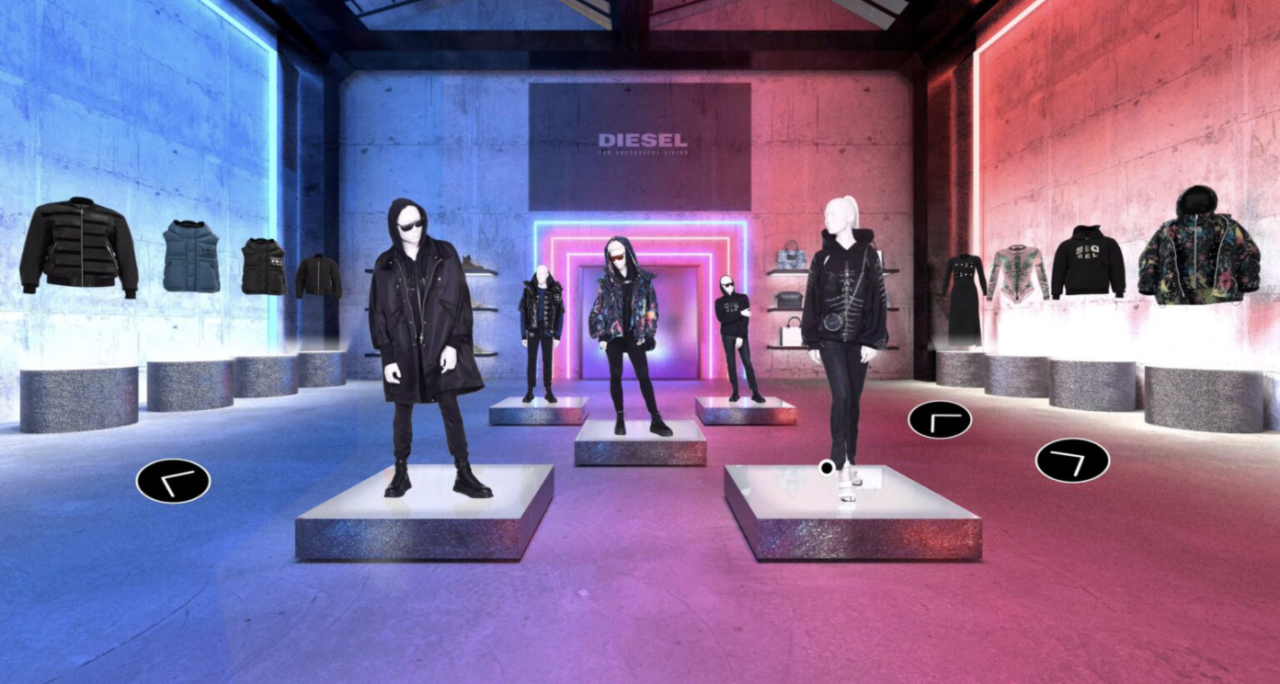
The digital fashion economy is already a well-oiled machine with distinct revenue models and key players. Understanding its mechanics is key to appreciating its scale.
A. Primary Sales Models:
1. Direct-to-Avatar (D2A): Brands sell digital wearables directly to consumers within a platform or through their own storefronts. This is the dominant model in gaming and virtual worlds.
2. NFT Drops & Auctions: High-profile designers and brands release limited-edition collections as NFTs, often creating frenzy and exclusivity through auction models or randomized “blind box” drops.
3. Subscription and Rental Models: Emerging services are exploring Netflix-style subscriptions for digital wardrobe access or rental models for high-end digital couture for special metaverse events.
B. The Lucrative Secondary Market: Just like the art world, a vibrant secondary market for digital fashion NFTs has emerged. Owners can resell their rare pieces on marketplaces like OpenSea, LooksRare, and platform-specific exchanges. Often, the original creator earns a royalty (e.g., 5-10%) on every subsequent sale, creating a continuous revenue stream.
C. Major Players and Pioneers:
1. Luxury Powerhouses: Gucci, Balenciaga, Prada, and Louis Vuitton have all made significant forays, launching everything from digital sneakers to entire collections within games like Roblox and Zepeto.
2. Native Digital Brands: Brands like The Fabricant, RTFKT Studios (acquired by Nike), and DressX were born in the digital realm and have built their entire identity and business model around web3 and metaverse fashion.
3. Gaming Giants: Fortnite has masterfully monetized digital fashion through its in-game item shop, generating billions in revenue from cosmetic skins, often through collaborations with celebrities and other IPs.
D. Navigating the Uncharted: Challenges and Critical Considerations
Despite its explosive growth, the path forward for digital fashion is fraught with challenges that must be addressed for long-term viability.
A. Interoperability: The Holy Grail: A major hurdle is the lack of interoperability. A digital jacket bought in Decentraland cannot be worn in Fortnite or on a user’s Zoom avatar. This walled-garden approach fragments the market and limits the utility and value of digital assets. Solving this through open standards is the industry’s biggest technical challenge.
B. The User Experience Chasm: For the average consumer, the process of purchasing a crypto wallet, acquiring cryptocurrency, and navigating an NFT marketplace remains complex and intimidating. Mass adoption hinges on simplifying this user journey to a few clicks.
C. Quality and Authenticity in a Saturated Market: As the space grows, so does the noise. Distinguishing high-quality, well-crafted digital garments from low-effort cash grabs becomes difficult for consumers. Establishing trusted verification and curation systems is crucial.
D. Intellectual Property in a Copy-Paste World: While NFTs verify ownership of the original asset, they do not automatically prevent the underlying digital file from being copied and used without permission. Protecting designs from piracy and unauthorized use is an ongoing battle.
E. Cultural and Psychological Acceptance: A segment of the population still struggles to assign tangible value to purely digital goods. Overcoming the “it’s just a picture” mentality requires continued education and demonstrating the profound social and economic utility of these assets within their native digital contexts.
E. The Horizon: Future Trajectories of Digital Fashion
The current state of digital fashion is merely the prototype. Its future is being written at the intersection of cutting-edge technology and evolving human behavior.
A. The Phygital Fusion: The line between physical and digital will blur beyond recognition. Imagine buying a physical pair of sneakers that unlocks an evolving digital twin in the metaverse, one that changes aesthetically based on your achievements or the weather in your virtual world.
B. AI-Personalized Couture: Artificial Intelligence will enable hyper-personalized fashion. Users could input a mood, theme, or event, and an AI could generate a unique, one-of-a-kind digital garment tailored to their avatar’s specific proportions and style history.
C. Dynamic and Living Garments: Future digital fashion will be “living.” Clothes could change color based on the music at a virtual concert, display live data feeds, or have textures that evolve over time, telling a story of the avatar’s journey.
D. Digital Fashion as a Social and Utility Tool: Beyond aesthetics, digital items will confer status and utility. A rare jacket might grant access to exclusive virtual areas or events, functioning as a membership pass. It will become a key component of social signaling and community building in digital societies.
E. The Democratization of High Fashion: Digital fashion lowers the barrier to entry for both creators and consumers. Aspiring designers from anywhere in the world can create and sell their work without a physical supply chain, while consumers can own and experience pieces from iconic designers at a fraction of the physical cost.
Conclusion: Stitching the Future of Identity and Commerce
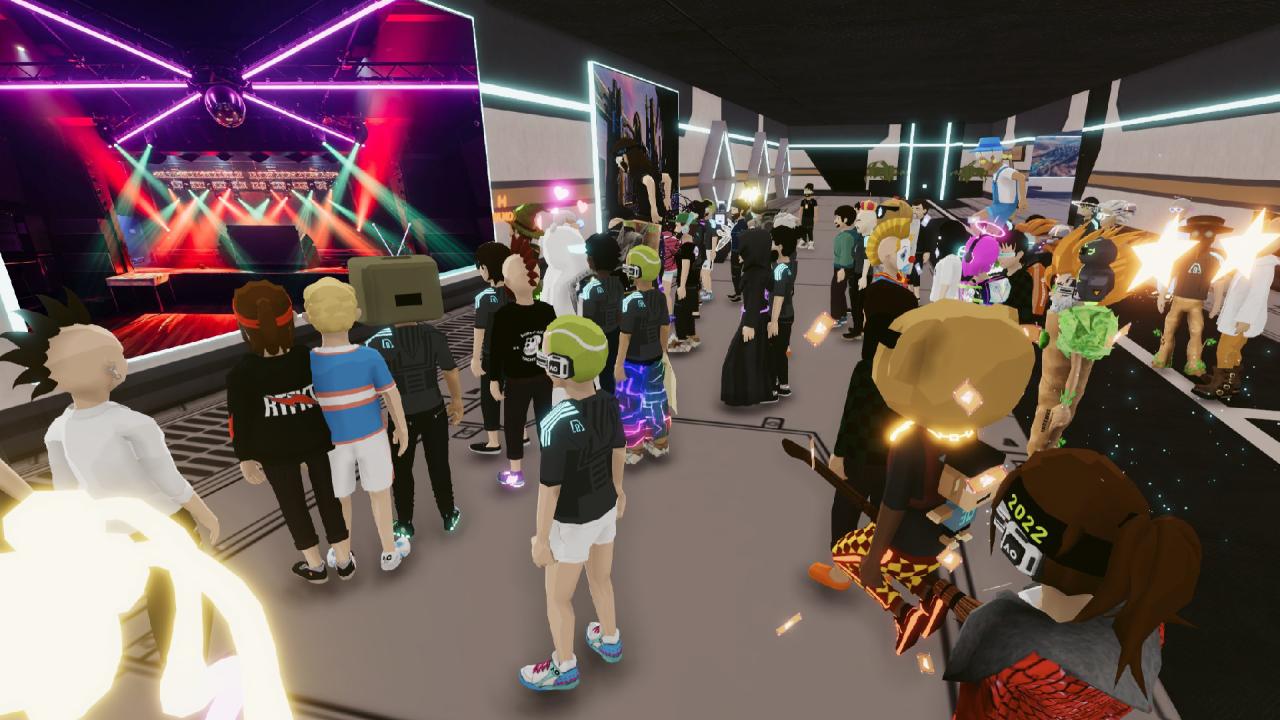
The digital fashion revolution is far more than a new revenue stream for brands or a novelty for gamers. It represents a fundamental re-imagining of self-expression, ownership, and the very fabric of commerce in an increasingly digital age. It challenges our definitions of value and materiality, pushing the boundaries of what is possible in design. While technical and cultural hurdles remain, the trajectory is clear: digital fashion is becoming an indispensable layer of human interaction online. As the metaverse continues to mature, the clothes on our avatars’ backs will not just be a form of decoration; they will be a dynamic, valuable, and deeply personal testament to our digital lives, weaving the very threads of the new virtual economy.